
Precision in Supragingival Calculus Removal. Why Instrument Geometry Makes the Difference
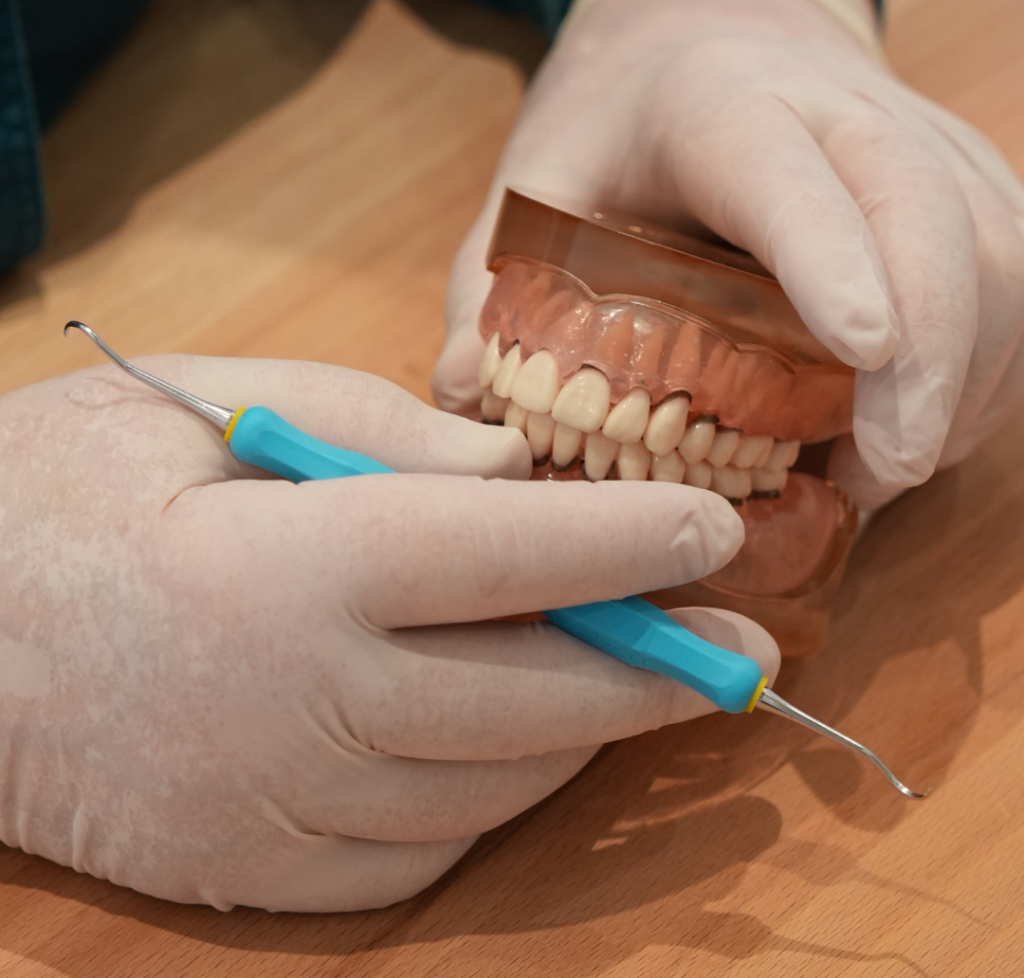
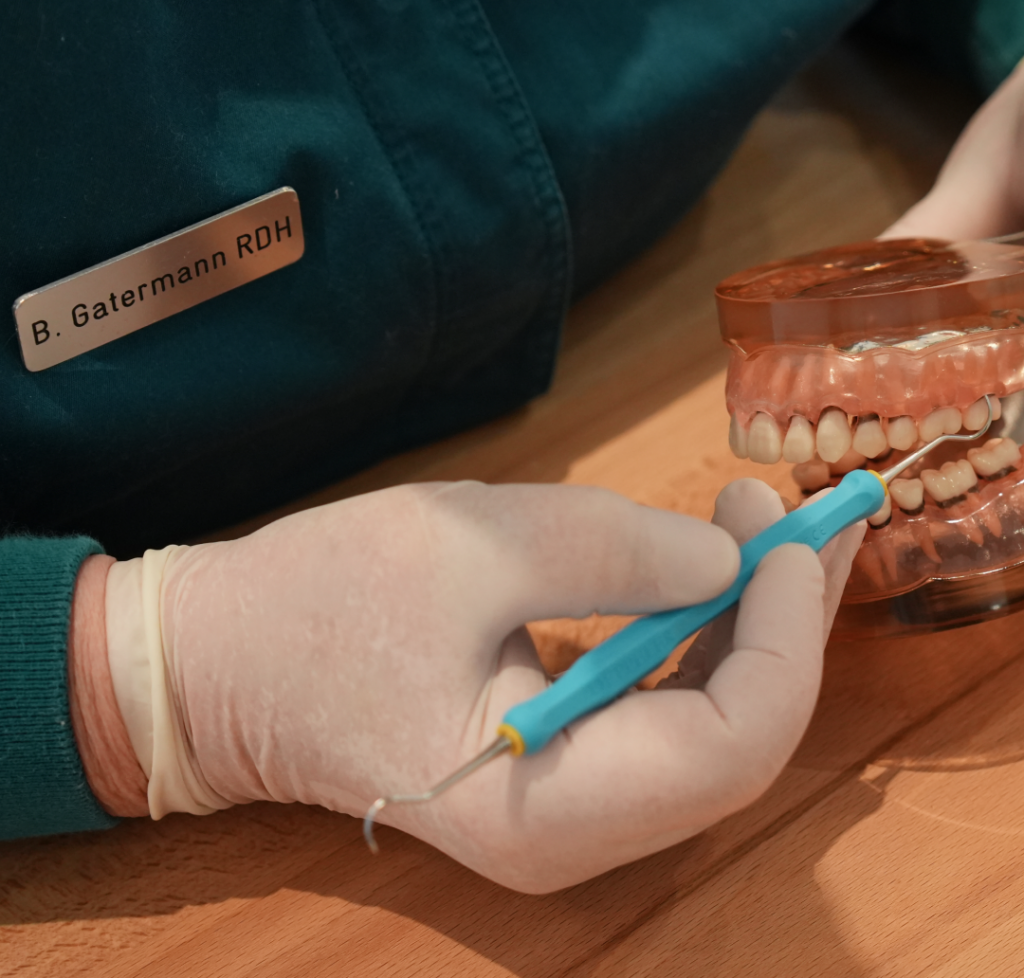
The professional removal of supragingival deposits remains one of the fundamental pillars of modern preventive dentistry. Despite continuous advances in preventive concepts and patient education, mineralized calculus particularly on proximal surfaces continues to present a clinical challenge. Narrow contact areas, individual tooth anatomy, and limited visibility require instruments that allow clinicians to work with both precision and efficiency.
While clinical technique undoubtedly plays a key role in treatment outcomes, the importance of instrument geometry is often underestimated. The shape, angulation and dimensions of the working tip directly influence how safely and effectively an instrument can be guided. A working end that is too bulky may limit access to difficult areas, while an unsuitable angulation can require unnecessary hand movements, increasing treatment time as well as operator fatigue.
Precision becomes particularly important in the proximal region. The objective is to remove supragingival calculus completely while minimizing unnecessary pressure on the gingival tissues and preserving the natural tooth surface. A finely designed instrument geometry not only improves access but also enhances tactile sensitivity throughout the instrumentation process.
The AP67LCN* was specifically developed to meet these clinical demands. As a supragingival sickle scaler, it supports the efficient removal of mineralized deposits on all tooth surfaces. Its slim working end facilitates access to narrow proximal areas, while the carefully designed angulation promotes a natural and controlled working motion. This allows clinicians to perform precise instrumentation with reduced strain on both the hand and the surrounding soft tissues.
Equally important is tactile feedback. During instrumentation, clinicians rely on their ability to detect even the smallest irregularities on the tooth surface in order to identify and remove any remaining calculus deposits.The high-quality surgical stainless steel and Deppeler’s monobloc construction promote direct transmission of tactile feedback to the clinician’s hand during use.
Ergonomics also plays an increasingly important role in everyday clinical practice. Professional prophylaxis and maintenance appointments involve thousands of repetitive hand movements each day. A well-balanced instrument combined with an ergonomic handle design helps reduce fatigue in the fingers, hand and forearm while maintaining a consistently high level of precision, even during extended treatment sessions.
Current preventive concepts continue to emphasize the importance of regular professional removal of supragingival deposits as a cornerstone of long-term oral health. Hand instruments remain an indispensable part of clinical care, particularly when precise calculus removal; excellent tactile control and careful preservation of hard and soft tissues are essential.
*The AP67LCN has been developed exclusively for supragingival use. It is intended for the removal of calculus above the gingival margin and is not designed for subgingival instrumentation or for use on implant surfaces.
