
Our story
Cutting-edge instruments since 1934

Find all our news, stories, and articles on prophylaxis, periodontology, dental microsurgery, dental restoration, and endodontics.
Expertise
Deppeler expertise: instrument geometry, sharpening and care of dental hand instruments made in Rolle, Switzerland. Read our articles and guides.
Cutting-edge instruments since 1934
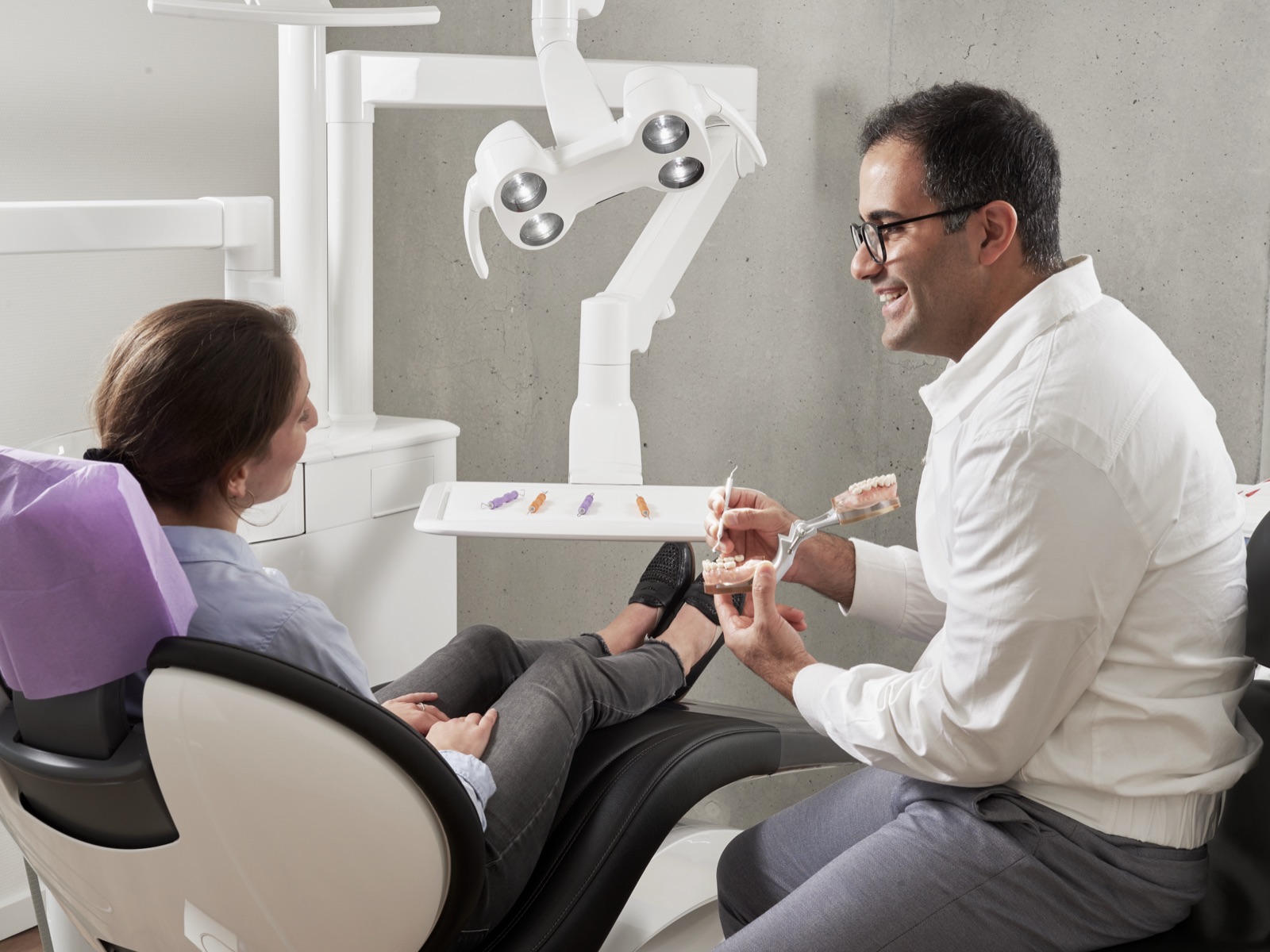
Academic and scientific partners, opinion leaders.
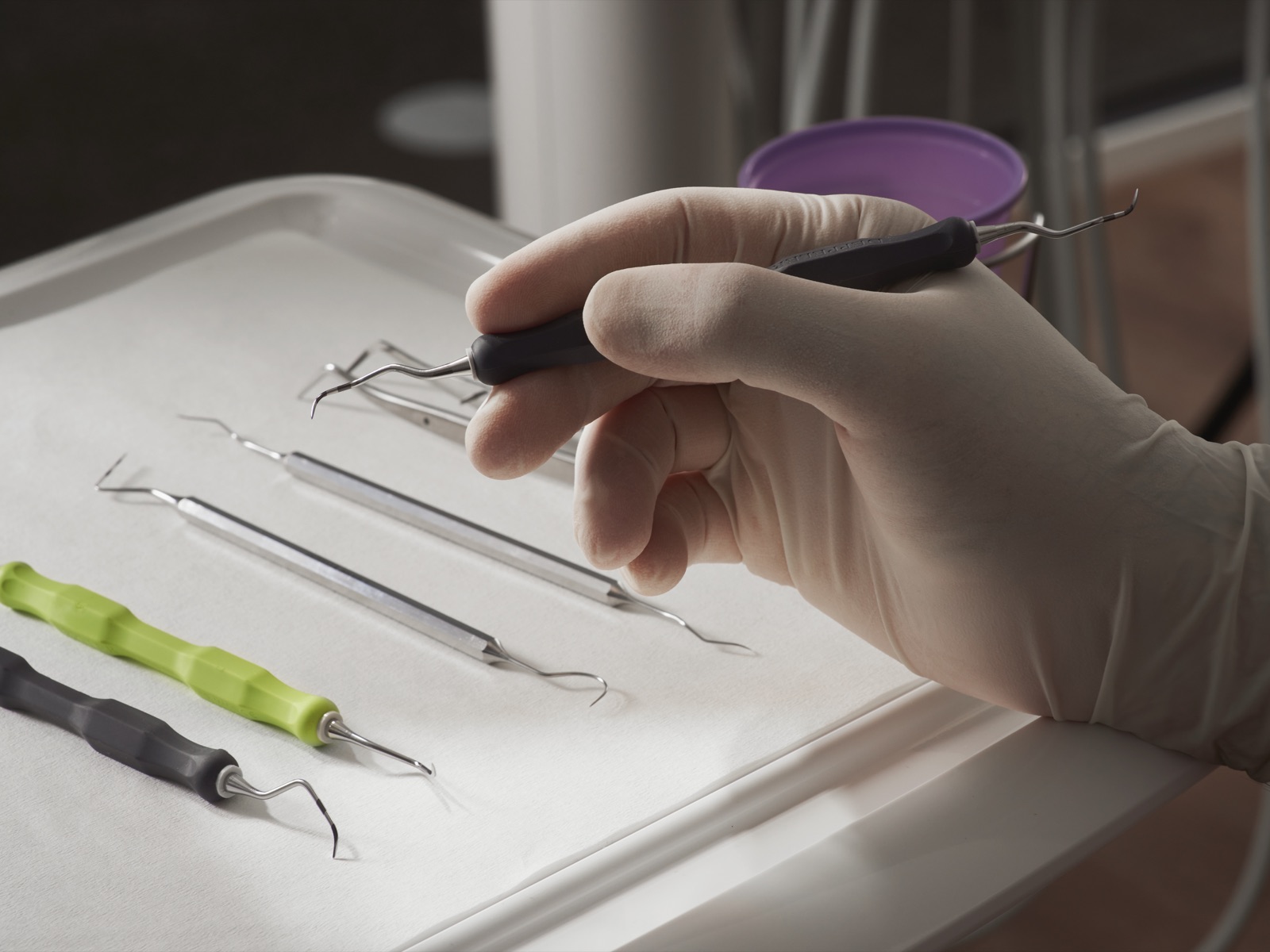
Discover how to use our products.
Home Press & News Precision in Supragingival Calculus Removal. Why Instrument Geometry Makes the Difference Clinical22 October 2026 Precision in Supragingival Calculus Removal. Why Instrument
Home Press & News Precision in the Interproximal Space: Why the New AM Spatula is a Game Changer for Anterior Restorations Clinical18 August 2026 Precision

In a survey, dental hygienists were asked about their professional experience, their work methods and the role of manual instruments in their procedures.

Video during EuroPerio10. A comprehensive look at the why, when, what and how of probing dental implant with Claire McCarthy, specialist in periodontal education.

“There needs to be a paradigm shift in patient care: away from repair and towards health maintenance and regular monitoring.” Interview with Prof. Dr. Ivo Krejci about the future of dentistry.

Deppeler & Style Italiano Endodontics: a collaboration between two masters in their fields to design quality. Discover what experts think about the SmartEndo kit and how they use it.

Dental implants have become the most common treatment to replace missing teeth. Although their average success rate is very high, peri-implant tissue health is key to ensure the sustainability of implants over the years.

Home Press & News Case report: tunnel technique to cover a gingival recession Clinical20 May 2021 Case report: tunnel technique to cover a gingival recession

A minimally invasive approach to managing deep carious lesions – removing only the infected dentin – is scientifically proven to help prevent issues when exposing the pulp.

A minimally invasive approach to managing deep carious lesions – removing only the infected dentin – is scientifically proven to help prevent issues when exposing the pulp.